Introduction
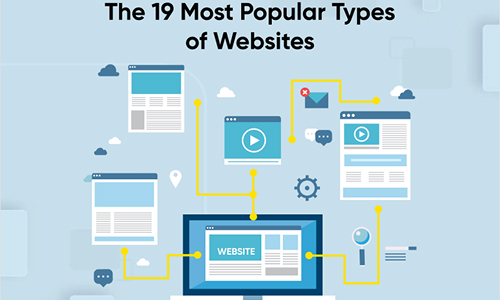
Websites can have a variety of types, and they are usually categorised according to their purpose and functionality and the nature of the content that they offer. There are websites that are made to provide information, whereas others are made to be business oriented, interactive or online services. The format and characteristics of a web site is largely determined by objectives of the web site and its intended audience.
A typical one of these is the static site that contains fixed content and is appropriate to small businesses or to simple information sites. Conversely, dynamic sites display information which is capable of altering as a result of user interaction or data, and as such they are more adaptable and the most common these days. Company or business websites are designed to provide a face of the company online where they present their services, products, and contacts.

The other big category is the E-commerce websites where individuals can purchase and sell goods or services online. Blog websites specialize in the publishing of articles, news or educational content and are used in branding oneself personally and digital marketing. Educational websites contain learning tools, courses, and tutorials of students and professionals.
Other categories are the news and magazine websites that post about current events, the membership websites where the limited content is available to the registered users and the landing pages specific to a particular marketing campaign. Web applications, personal websites and nonprofit websites are also to be used with distinct purposes.
More Information
Publishing of articles, updates and information material is done through blog web-sites, usually to do marketing or personal branding. Portfolio websites are used to display work, skill and success of professionals like designers, developers, and photographers. Educational websites are associated with the delivery of learning resources and courses, and tutorials, whereas news and magazine websites are associated with the publication of the current events and the articles on a regular basis.
Other useful categories are landing page websites, to use in marketing campaigns and generation of leads, and non-profit websites, which are developed by charities and social organizations. Membership websites are the sites in which only the registered users have access to restricted content, whereas forum and community websites provide discussions and interaction between users. The personal websites are the personal representation of an individual in the digital world, and the web applications are interactive, such as booking systems, dashboards, and SaaS applications.
Tips
- Business/Corporate Websites :-These are companies online and represent services, products, contact information and brand information. They develop trust and appeal to customers.
- E-commerce Websites:-Web-based stores where goods or services are sold directly to the consumers. The common ones are Amazon and Flipkart.
- Blog Websites:- Exposed to publish articles, tutorials, opinions, or news on a regular basis. Blogs are useful in marketing of content and development of SEO
- Portfolio Websites:- Made by specialists (designers, photographers, developers) to demonstrate their work and talents.
- Educational Websites:- Offer course material, courses or e-learning. Some of them include Coursera and Khan Academy.
- Social Media Websites:- Make users able to connect, share content, and communicate online e.g. Facebook and Instagram.
- Personal Websites:- They were made by individual people to brand themselves or create resumes or hobbies.
Contact Us
“Reach out to WPUX Digital for inquiries, support, or project discussions—we’re here to help you succeed.”
Get in Touch with Us!
“Connect with WPUX Digital today to discuss your project, ask questions, or explore tailored digital solutions.”
- Haryana, Panipat-132103
- wpuxdigital@gmail.com
- +91 8222000329