

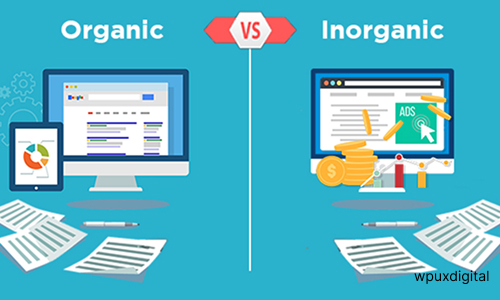
Introduction The point of organic marketing is usually regarded to be superior to non-organic (paid) advertisements in the sense that it creates long-term value, trust, and sustainable growth as opposed to brief visibility. Although we can justify the use of both methods in online marketing, organic strategies tend to have a greater and more long-lasting payoff. Trust and credibility is one of the reasons why organic marketing is superior. People are most likely to believe organic search results, blog posts, and social posts than paid advertisements. In search engines and social platforms, organic content comes spontaneously and thus seems to be more authentic. Such trust enhances interaction and a boost in conversion rates in the long run. The organic campaigns like the SEO, content marketing, and social media optimization keep the traffic going even after the first work is completed. An efficiently optimized webpage or blog will bring leads months or even years with no extra expenses. On the contrary, non-organic advertisements cease to work as soon as payments are discontinued. Another factor is the cost efficiency. Albeit organic marketing is time consuming and energy consuming, it does not entail constant advertisement expenditures. In the long term the price per lead or visitor is significantly less than that of paid advertisements which will have to continue spending to keep the product visible. Organic marketing also provides a superior quality of traffic as well. Natural visitors to a site are usually actively seeking something, products, or solutions, which means that they are more likely to become a convert. Organic SEO Paid advertisement can lead to instant clicks but not all the visitors are interested and this might lead to decreased engagement. Besides, organic strategies contribute to the development of brand authority and expertise. Releasing valuable material, appearing in search engines and chatting in a natural way on social sites makes a brand an expert in the industry. This builds brand awareness and customer loyalty as can never be done with paid adverts. To sum it up, organic marketing is superior to non-organic advertisements due to its role in establishing trust, offering long-term advantages, cost-saving, and users with high intentions. Confidence Boosters: How Coaching Can Transform Your Mindset Why Emotional Intelligence Matters in Business Leadership Why More CEOs Are Turning to Coaches in Today’s Economy Balancing Business Growth and Personal Life: A Coaching Perspective Contact Us “Reach out to WPUX Digital for inquiries, support, or project discussions—we’re here to help you succeed.” Please enable JavaScript in your browser to complete this form.Please enable JavaScript in your browser to complete this form. Name * FirstLast Email *Mobile Number *Message Submit Contact Get in Touch with Us! “Connect with WPUX Digital today to discuss your project, ask questions, or explore tailored digital solutions.” Haryana, Panipat-132103 wpuxdigital@gmail.com +91 8222000329
What is the Difference B/w Organic and Paid in Ads
Introduction The aspect of cost, visibility, sustainability, and user trust largely employs the difference between the concept of organic marketing and paid advertising. Digital marketing employs both of these methods, yet they are used to solve various issues and yield various kinds of outcomes. By knowing this difference, the businesses make the appropriate strategy depending on their objectives and budget. The process where traffic is acquired without the need to pay as a result of advertising space can be termed as organic marketing. It encompasses SEO, blogging, content marketing, social media and engagement and email marketing. In organic search, organic results are obtained due to relevance and quality rather than payment. This strategy is time-consuming and requires a regular effort, and the strategy gains a great deal of credibility and trust among the users. When the content has gone viral or has some form of engagement, it may keep on drawing traffic without the necessity of extra expenditure. Non-organic marketing is also referred to as paid advertising wherein the advertisers pay services such as Google Ads, Facebook Ads or Instagram Ads as a way of promoting products or services. Paid ads are useful in promoting sales, launches, or promotions as they are instant and generate traffic and are also effective when the target is a short-term objective. Advertisers have ability to regulate targeting, budget and placement. Nevertheless, the traffic is terminated immediately the advertising budget runs out, thus not being sustainable in the long run. The other important distinction is the cost efficiency. Organic marketing involves making investment in content creation and optimization, but does not involve spending continuously. Paid & Organic Ads The paid advertisements involve incurring constant costs each time someone clicks, makes an impression or converts, which may be costly, particularly in competitive areas. The level of user trust and engagement is also different. Users will give organic results more trust since it is not as promotional and rather informative. Users can skip or ignore the paid advertisement particularly when it appears intrusive. Organic traffic usually leads to increased traffic and brand loyalty. Finally, organic marketing is aimed at the growth being long-term, trust, and sustainable, whereas paid advertisements provide prompt visibility and immediate outcomes. A combination of both is often necessary when working out a balanced digital marketing approach as organic. Confidence Boosters: How Coaching Can Transform Your Mindset Why Emotional Intelligence Matters in Business Leadership Why More CEOs Are Turning to Coaches in Today’s Economy Balancing Business Growth and Personal Life: A Coaching Perspective Contact Us “Reach out to WPUX Digital for inquiries, support, or project discussions—we’re here to help you succeed.” Please enable JavaScript in your browser to complete this form.Please enable JavaScript in your browser to complete this form. Name * FirstLast Email *Mobile Number *Message Submit Contact Get in Touch with Us! “Connect with WPUX Digital today to discuss your project, ask questions, or explore tailored digital solutions.” Haryana, Panipat-132103 wpuxdigital@gmail.com +91 8222000329
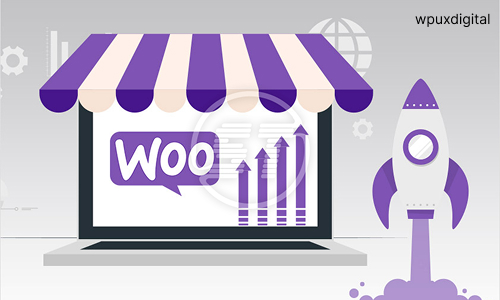
How To Develop Woo-Commerce Store
Introduction A WooCommerce store is one of the most effective methods of designing a flexible and scalable e-commerce site in WordPress. WooCommerce is a powerful application that could transform a WordPress Webpage into a fully functioning online store that would allow business to market both physical products, virtual products or services with minimal effort. It entails a development process such as, planning, establishment, customizing, and optimization to ensure that the shopping experience to the users and to the business is an excellent experience. The first step in the development of a WooCommerce store would be to find a good domain name and a reliable web hosting. The domain name needs to be the one of the brand and easy to remember by the customers. Importance of hosting is in terms of store performance, speed and security. It is suggested to use WordPress-optimized or WooCommerce-optimized hosting with the capabilities of SSD storage, free of charge SSL certificates, daily backups, and high uptime. Once the hosting is set up, one can install WordPress and the WooCommerce plug-in. WordPress is easy to install with a one-Click installer that is provided by most hosting companies. After installing WordPress, it is possible to install WooCommerce in the WordPress directory of the plugins. WooCommerce opens a setup wizard when switched on and guides the system user through such basic settings as store location, currency, tax settings, payment options and shipping options. With this initial setup, it is possible to establish the online store. The other important step in store development will be the selection of the theme that can be compatible with WooCommerce. A good theme brings in visual appeal, usefulness and confidence to the customers. The availability of Woo-Commerce-compatible themes will be intended to provide assistance to product pages, shopping carts, and checkout services. It cannot be any other than reactive in its theme which will offer a smooth online shopping experience on smart phones, tablets and PCs. Woo-Commerce Websites It is necessary to maximize the WooCommerce shop in the performance and search websites. SEO friendly products are the title of products, meta description and URLs and increase the visibility on the search engine. SEO, security and performance plug ins will be installed to ensure the smooth running of the store and that it is not susceptible to threats. 50% of fast and secure store makes repeat buyers. WooCommerce store pre-testing is a highly significant factor that should not be compromised. Testing will involve checking of product pages, cart, payment, shipping and mobile testing. By identifying and rectifying some of the issues prior to the launch, this will ensure that the customers will find it easy to shop. After being completely tested the store can be opened and promoted through the digital marketing such as search engine optimization, social networking, and the use of e-mails. Confidence Boosters: How Coaching Can Transform Your Mindset Why Emotional Intelligence Matters in Business Leadership Why More CEOs Are Turning to Coaches in Today’s Economy Balancing Business Growth and Personal Life: A Coaching Perspective Contact Us “Reach out to WPUX Digital for inquiries, support, or project discussions—we’re here to help you succeed.” Please enable JavaScript in your browser to complete this form.Please enable JavaScript in your browser to complete this form. Name * FirstLast Email *Mobile Number *Message Submit Contact Get in Touch with Us! “Connect with WPUX Digital today to discuss your project, ask questions, or explore tailored digital solutions.” Haryana, Panipat-132103 wpuxdigital@gmail.com +91 8222000329
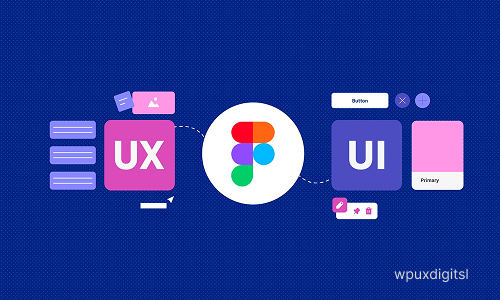
How to Role Figma in UI UX Design
Introduction Figma is an important tool in the field of UI/UX design as it assists designers to build, design, and test on digital product designs. It is one of the cloud based design tools that are popular in designing user interfaces and enhancing user experiences of sites and mobile applications. Figma enables a collaboration between designers, developers and stakeholders in real time which makes the design process more transparent and faster. Wireframing and prototyping is one of the most significant Figma functions in design of UI/UX. This assists in visualising at the initial stage and finding out the usability problems. Through interactive prototyping, the designer is able to simulate user interaction, test the navigation and how the user may feel with the final product. Figma in UI design is used to make visually appealing interfaces based on frames, grids, components, and design systems. Designers are able to create reusable buttons, icons, and layouts so that the whole product looks the same. It has an auto-layout feature that creates responsive design that is easy to scale to the various screen sizes. In the case of UX design Figma works with user flows, wireframes and interactive prototypes. The ability to simulate actual behavior of the app through the use of clickable objects, transitions, and animation allows designers to test the usability of the app prior to its development. This saves on the unnecessary revisions in the future. Figma is also important in visual UI design. It enables the designers to build high-resolution designs with tight control of color, typeface, and icons, spacing, as well as parts. Figma recommends reusable components and design systems to guarantee that screens and projects remain consistent. This uniformity enhances usability and development of a powerful brand. Being cloud-based, several team members are able to work on the same design file at the same time. Designers get instant feedback in the form of comments whereas developers and stakeholders get real-time review of designs. This minimizes the communication differences and accelerates the design approval process. Figma Importance Figma can also be used to carry out usability testing and iteration. Designers are able to send prototypes to users or clients to receive feedback and improve them in a short period of time. The updates are immediate and the user experience can be refined on a continuous basis. Moreover, the developer handoff capabilities of Figma have design specifications, measurements, and assets, which simplify the implementation of designs by the developers. To conclude, Figma is a crucial tool in the field of UI/UX design as it facilitates the wireframing, prototyping, visual design, collaboration, testing, and developer handoff. Its adaptability and live-collaboration can make it a potent instrument of designing user-friendly, coherent and good quality digital experiences. Tips Confidence Boosters: How Coaching Can Transform Your Mindset Why Emotional Intelligence Matters in Business Leadership Why More CEOs Are Turning to Coaches in Today’s Economy Balancing Business Growth and Personal Life: A Coaching Perspective Flow Never again arrange wireframes, final UI, components, and prototypes so that they can be easily navigated in separate pages making significant changes in a project, it is a good idea to save points so that you can always undo them Contact Us “Reach out to WPUX Digital for inquiries, support, or project discussions—we’re here to help you succeed.” Please enable JavaScript in your browser to complete this form.Please enable JavaScript in your browser to complete this form. Name * FirstLast Email *Mobile Number *Message Submit Contact Get in Touch with Us! “Connect with WPUX Digital today to discuss your project, ask questions, or explore tailored digital solutions.” Haryana, Panipat-132103 wpuxdigital@gmail.com +91 8222000329
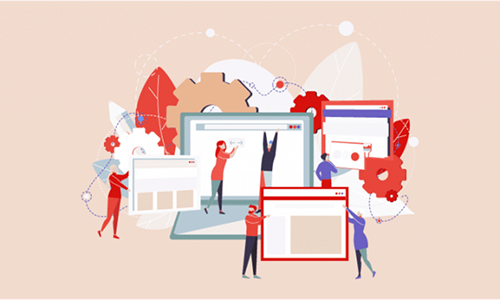
How many types of Website Plugin for most useable
Introduction WordPress Plugins are also important in the improvement of websites and user experience. The most applicable types of plugins are those that can be used in supporting the core needs in the websites and supporting websites to run smoothly. The use of SEO plugins is common since it enhances search engine visibility through optimizing content, management of meta tags, creating XML sitemaps and readability. These plug ins assist web site owners to generate traffic through organic visits and also get a higher ranking by the search engines. To guard the websites against online threats, security plugins are necessary. They provide services like firewalls, malware detection, protection of logins and spam. Security plugins assist in preserving web integrity and securing user information with the rising cyber threats. The performance and caching extensions are also crucial ones because they enhance the speed of the websites by lowering the load time, optimizing the files, and limiting the number of server calls. Website information is usually secured using back up plug-ins. They automatically generate the backups of files and databases, so they will be restored on the shortest time possible in case of technical failures, updates, or hacking. The popularity of page builder plugins is that they enable the user to create an appealing layout with the help of drag-and-drop tools without the need to learn how to write code. These extensions are flexible and efficient in the design of the web sites. Contact form plugins play a critical role in communication and lead generation thus allowing a visitor to easily contact the owners of the websites. E-commerce plugins are very popular in building online stores which include product management, secure payment, and tracking orders. The social media can be integrated with the social media plug-ins that assist it in sharing content and gaining more visibility over the internet. Website Plugins Website plugins are not limited by a certain amount, however, the most useful WordPress plugins may be categorized into primary types according to the purpose they are used. These types of plugins address the majority of needs of the websites and they are widely used in most WordPress sites. One of the most significant and popular is the SEO plugins. They are used to optimize the content within the websites to the search engines in terms of meta titles, description, keywords, sitemaps and readability. Popular SEO plugins enhance the visibility of the websites and organic traffic hence they are so important in blogs, business sites, and e-commerce websites. Another very useful type of a plugin is security plugins. Such kinds of plugins safeguard web sites against hacking, malware, spam and unauthorized access. These are features that consist of firewalls, login protection, malware scanning, and security alerts. Security plugs will be relevant towards ensuring safety on a web site and confidence of the user. Confidence Boosters: How Coaching Can Transform Your Mindset Why Emotional Intelligence Matters in Business Leadership Why More CEOs Are Turning to Coaches in Today’s Economy Balancing Business Growth and Personal Life: A Coaching Perspective Contact Us “Reach out to WPUX Digital for inquiries, support, or project discussions—we’re here to help you succeed.” Please enable JavaScript in your browser to complete this form.Please enable JavaScript in your browser to complete this form. Name * FirstLast Email *Mobile Number *Message Submit Contact Get in Touch with Us! “Connect with WPUX Digital today to discuss your project, ask questions, or explore tailored digital solutions.” Haryana, Panipat-132103 wpuxdigital@gmail.com +91 8222000329
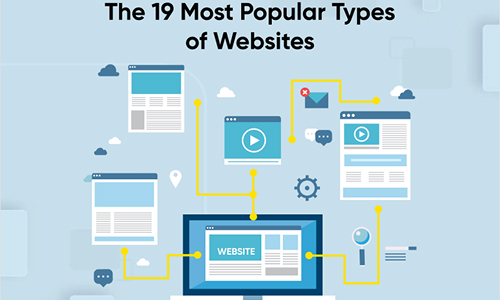
How many type of Websites are there
Introduction Websites can have a variety of types, and they are usually categorised according to their purpose and functionality and the nature of the content that they offer. There are websites that are made to provide information, whereas others are made to be business oriented, interactive or online services. The format and characteristics of a web site is largely determined by objectives of the web site and its intended audience. A typical one of these is the static site that contains fixed content and is appropriate to small businesses or to simple information sites. Conversely, dynamic sites display information which is capable of altering as a result of user interaction or data, and as such they are more adaptable and the most common these days. Company or business websites are designed to provide a face of the company online where they present their services, products, and contacts. The other big category is the E-commerce websites where individuals can purchase and sell goods or services online. Blog websites specialize in the publishing of articles, news or educational content and are used in branding oneself personally and digital marketing. Educational websites contain learning tools, courses, and tutorials of students and professionals. Other categories are the news and magazine websites that post about current events, the membership websites where the limited content is available to the registered users and the landing pages specific to a particular marketing campaign. Web applications, personal websites and nonprofit websites are also to be used with distinct purposes. More Information Publishing of articles, updates and information material is done through blog web-sites, usually to do marketing or personal branding. Portfolio websites are used to display work, skill and success of professionals like designers, developers, and photographers. Educational websites are associated with the delivery of learning resources and courses, and tutorials, whereas news and magazine websites are associated with the publication of the current events and the articles on a regular basis. Other useful categories are landing page websites, to use in marketing campaigns and generation of leads, and non-profit websites, which are developed by charities and social organizations. Membership websites are the sites in which only the registered users have access to restricted content, whereas forum and community websites provide discussions and interaction between users. The personal websites are the personal representation of an individual in the digital world, and the web applications are interactive, such as booking systems, dashboards, and SaaS applications. Tips Business/Corporate Websites :-These are companies online and represent services, products, contact information and brand information. They develop trust and appeal to customers. E-commerce Websites:-Web-based stores where goods or services are sold directly to the consumers. The common ones are Amazon and Flipkart. Blog Websites:- Exposed to publish articles, tutorials, opinions, or news on a regular basis. Blogs are useful in marketing of content and development of SEO Portfolio Websites:- Made by specialists (designers, photographers, developers) to demonstrate their work and talents. Educational Websites:- Offer course material, courses or e-learning. Some of them include Coursera and Khan Academy. Social Media Websites:- Make users able to connect, share content, and communicate online e.g. Facebook and Instagram. Personal Websites:- They were made by individual people to brand themselves or create resumes or hobbies. Contact Us “Reach out to WPUX Digital for inquiries, support, or project discussions—we’re here to help you succeed.” Please enable JavaScript in your browser to complete this form.Please enable JavaScript in your browser to complete this form. Name * FirstLast Email *Mobile Number *Message Submit Contact Get in Touch with Us! “Connect with WPUX Digital today to discuss your project, ask questions, or explore tailored digital solutions.” Haryana, Panipat-132103 wpuxdigital@gmail.com +91 8222000329
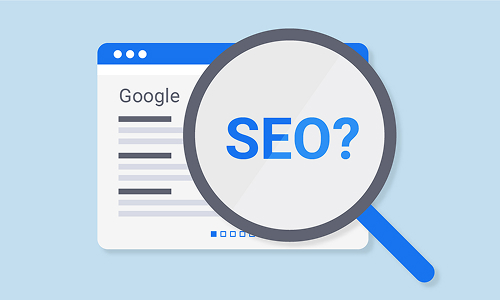
Why SEO Important for Website
Introduction Search Engine Optimization (SEO) is significant to a web site as it allows the site to gain visibility, organic traffic, and ultimate online success in the long run. In the modern digital world, a majority of the users are dependent on search engines such as Google in search of information, products, and services. Failure to feature in search results means a site will have missed great opportunities to tap potential customers. Among the chief causes that make SEO important is the fact that it enhance traffic in a site naturally. SEO increase web ranking in search engines by helping to optimize web content using keywords that are relevant, better structure of web sites and better user experience. The increased rankings will result in increased clicks and visitors without the continuous expense of paid advertising. This renders SEO as an economical marketing plan in the long term. SEO enhances the user experience in a site as well. Search engines give preference to the websites which are quick and mobile and are easy to navigate. SEO allows the visitor to get a pleasant experience by maximizing the page speed, its readability, and clarity of navigation. The user experience should be positive, which will enhance engagement, decrease the bounce rate, and push one to use the site longer. The other notable advantage of SEO is confidence and credibility. The websites that are ranked on the first page of a search engine are also viewed as more credible and authoritative. Quality content, secure websites, and links to reputed websites are some of the good SEO practices that build trust between the search engine and the user. SEO Attarct Targeting the right audience also calls on SEO. SEO attracts users with the search intent and the users who are actively searching a given information, product or service. This translates to quality traffic and improved conversion rates since people will tend to act more. To conclude, SEO is significant to a website as it leads to the natural flow of traffic, increases user experience, credibility, and long-term development. An optimized site is not only ranked highly in search engines but also offers value to the users and thus, SEO is a very important component in any online planning that works well. Tips Use Relevant Keywords — Do Research and put keywords that your target audience is searching in titles, headings, and content. Produce Quality Content — Post valuable, original and interesting content on a regular basis. Maximize Page Speed —Quick loading websites are favored and decrease bounces. Mobile Your Site — The vast majority of the visitors are going to use phones to access your site, thus responsive design is vital Compose Search-Engine Optimized Title and Meta Search Descriptions -These enhance traffic on search results. Implement Internal Linking- This can be used to connect related pages in order to make users and search engines navigate your site. Obtain Quality Backlinks — The word trust is important, as it helps to increase authority and rankings. ecure Website (HTTPS) -Security is a ranking aspect and generates user trust. Refresh Content on a regular basis- This is in the form of fresh content that will be relevant to the search engines. Contact Us “Reach out to WPUX Digital for inquiries, support, or project discussions—we’re here to help you succeed.” Please enable JavaScript in your browser to complete this form.Please enable JavaScript in your browser to complete this form. Name * FirstLast Email *Mobile Number *Message Submit Contact Get in Touch with Us! “Connect with WPUX Digital today to discuss your project, ask questions, or explore tailored digital solutions.” Haryana, Panipat-132103 wpuxdigital@gmail.com +91 8222000329